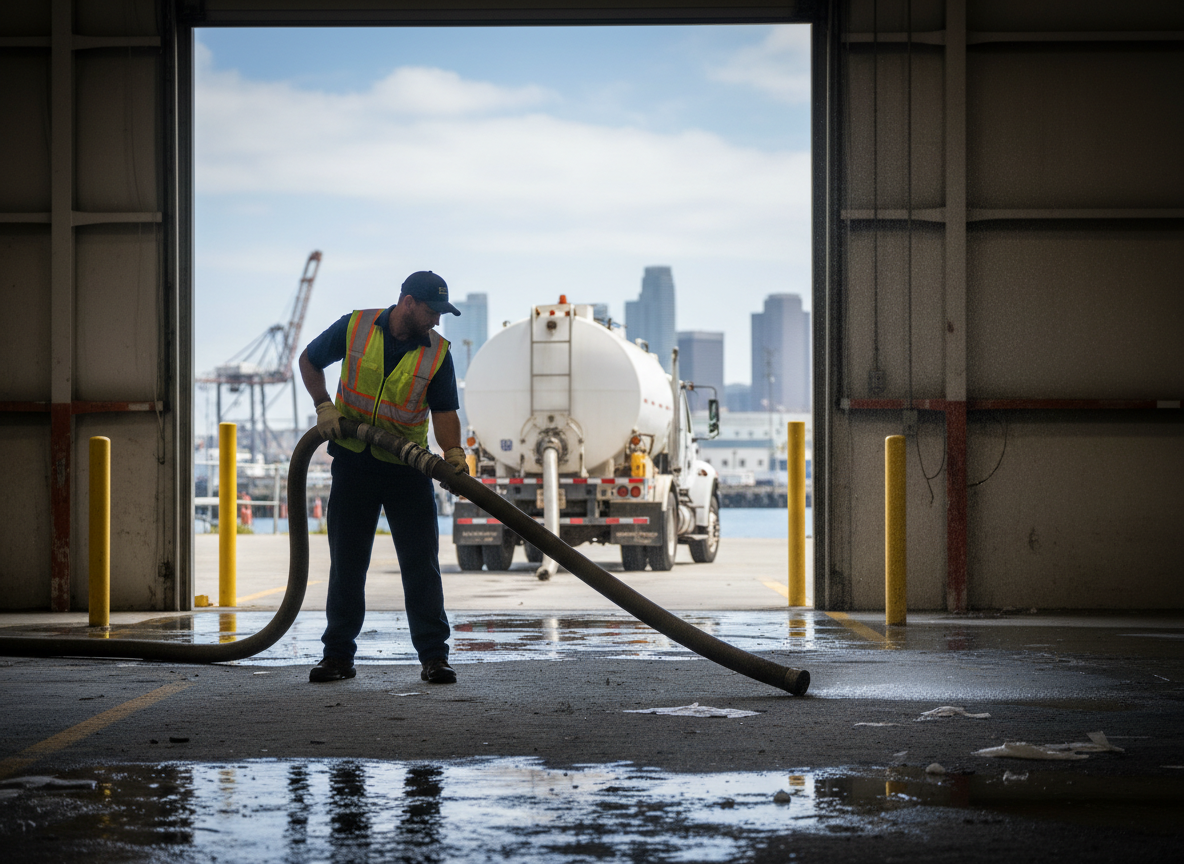
Rapid water extraction begins with identifying how water travels through the slab foundations and crawlspaces common in pre-1980 Harbor City homes. Ocean-moderated humidity keeps moisture levels elevated for days after an initial leak, so crews must pull standing water before it migrates into wall cavities shared with neighboring units in Harbor Pines. Industrial vacuums and moisture meters map saturation in real time rather than relying on visual inspection alone.
Los Angeles County building practices from the 1960s and 1970s often left minimal vapor barriers under homes near Kaiser Permanente Harbor City. When a supply line fails, water pools against these barriers and travels toward San Pedro and Wilmington boundaries. Extraction teams isolate zones quickly to avoid pulling saturated drywall from adjacent rooms that may still be dry, preserving original plaster where possible.
After pumps remove bulk water, dehumidifiers sized for the square footage run continuously because the Mediterranean climate delivers consistent marine layer moisture overnight. Technicians check subfloor plywood in Lomita-adjacent streets where older lots sit lower than street grade, confirming no hidden pockets remain before sealing the structure for drying.
Technician insight
In Harbor City, the thing that catches most people out with Rapid water extraction is how the marine layer keeps plywood subfloors damp for an extra day or two after pumps leave, especially in homes built before vapor barriers became standard around Harbor Pines.
Slab leak near Harbor City Park
A supply line failure sent water under the slab of a 1970s home. Crews found saturation extending toward the shared wall with the neighboring unit. Extraction focused on the crawlspace and perimeter footings using portable units to avoid disturbing the original plaster. Follow-up readings showed dry conditions within 48 hours.
How it works
- 1
Site Assessment
Technicians arrive within the service window, locate the water source, and document saturation depth using meters on Harbor City properties.
- 2
Zone Isolation
Containment barriers are placed to prevent moisture spread into unaffected rooms common in dense Harbor Pines layouts.
- 3
Bulk Extraction
Truck-mounted and portable vacuums remove standing water from slabs, carpets, and crawlspaces typical of local housing.
- 4
Moisture Verification
Post-extraction readings confirm dryness levels before equipment is staged for the drying phase.
Pricing
Cost depends on water volume, access to crawlspaces, and square footage affected; upfront quotes provided on site.