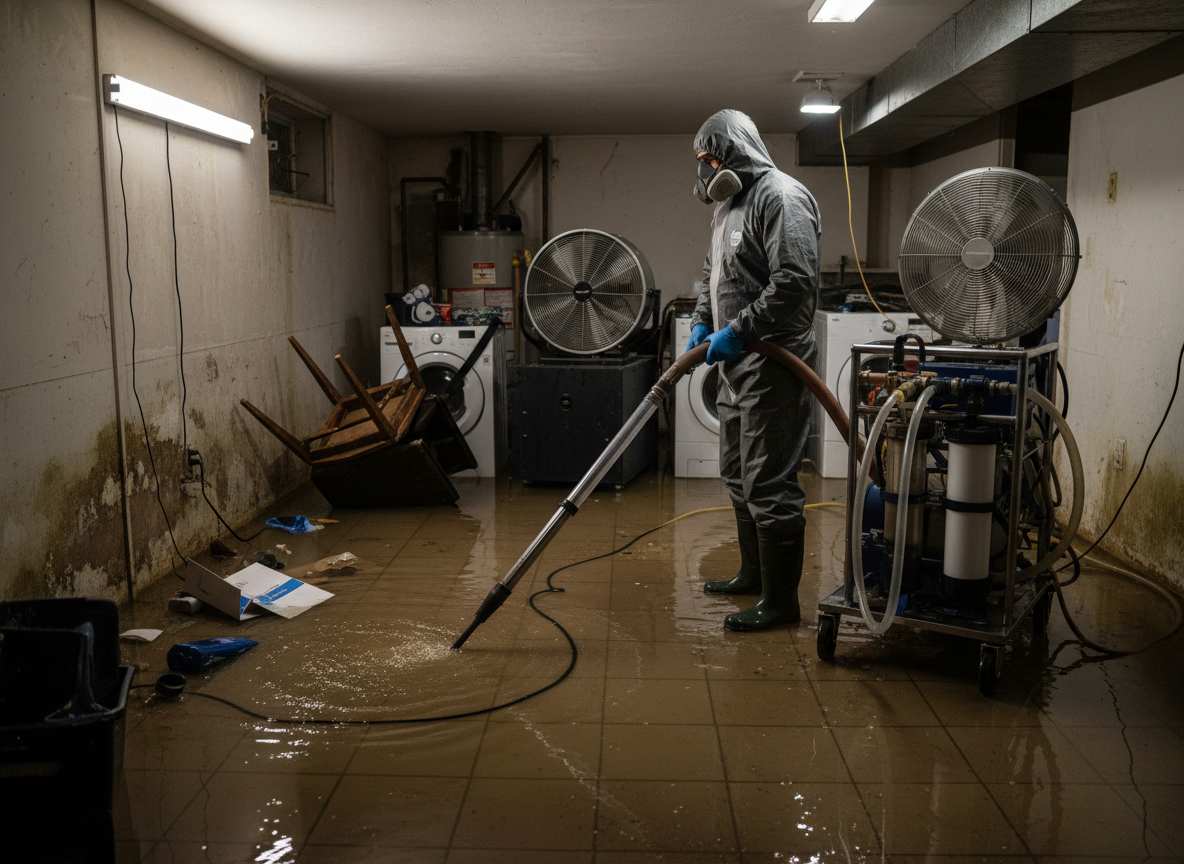
Harbor City sits in a mild Mediterranean climate moderated by the Pacific, yet winter rains still push water into older stucco and slab-on-grade homes built before 1970. When a supply line bursts or a washer overflows, water travels quickly under vinyl tile or into the narrow crawl spaces common in Harbor Pines tracts. Extraction must begin before moisture reaches the particleboard subfloors that swell permanently once saturated.
Los Angeles County building codes require removal of wet drywall once moisture exceeds 18 percent; skipping this step lets mold colonize within 48 hours in the humidity that lingers near the harbor. Technicians cut two feet above the water line, bag the debris on-site, and use air movers angled toward the wall cavities rather than the center of rooms. Homes near Kaiser Permanente often share property lines, so containment barriers prevent dust migration to neighboring units during demolition.
After bulk water removal, dehumidifiers sized for 1,200-square-foot footprints run for three to five days while daily moisture readings are logged. San Pedro and Wilmington properties frequently sit on clay-heavy soil that holds water against foundations, so perimeter checks with infrared cameras catch hidden saturation that would otherwise reappear weeks later. Final clearance includes a written moisture map left with the homeowner.
Technician insight
In Harbor City the thing that catches most people out with emergency water cleanup is how the ocean humidity keeps older stucco walls damp for days longer than inland Los Angeles homes; if you stop drying early because the surface feels dry, the paper backing behind the drywall stays wet and mold shows up two weeks later.
Burst Supply Line in Harbor Pines
A kitchen supply line split overnight in a 1960s single-story home near Harbor City Park. Water reached the living-room slab and migrated under the hallway. Crews extracted standing water, removed baseboards and lower drywall, then ran drying equipment for four days until readings stabilized. The homeowner was able to schedule flooring replacement without further moisture issues.
How it works
- 1
Arrival And Safety Assessment
Technicians arrive within the hour, shut off water sources, and map electrical hazards before any extraction begins.
- 2
Standing Water Removal
Submersible pumps and wet vacuums pull water from floors, carpets, and cabinets down to the slab or subfloor.
- 3
Moisture Mapping And Containment
Infrared scans locate hidden pockets; plastic barriers isolate affected rooms to protect the rest of the Harbor City property.
- 4
Drying And Monitoring
Industrial air movers and dehumidifiers run while daily readings track progress until levels return to the 10-12 percent range typical for local lumber.
- 5
Final Clearance
A written report with photos and meter readings is provided before equipment is removed and the space is released for repairs.
Pricing
Pricing depends on square footage affected, water category, and drying time required; upfront quotes are provided after inspection.